


Heat Transfer vs. Embroidery: Which Logo Tech fits Your Activewear Brand Best?
Introduction
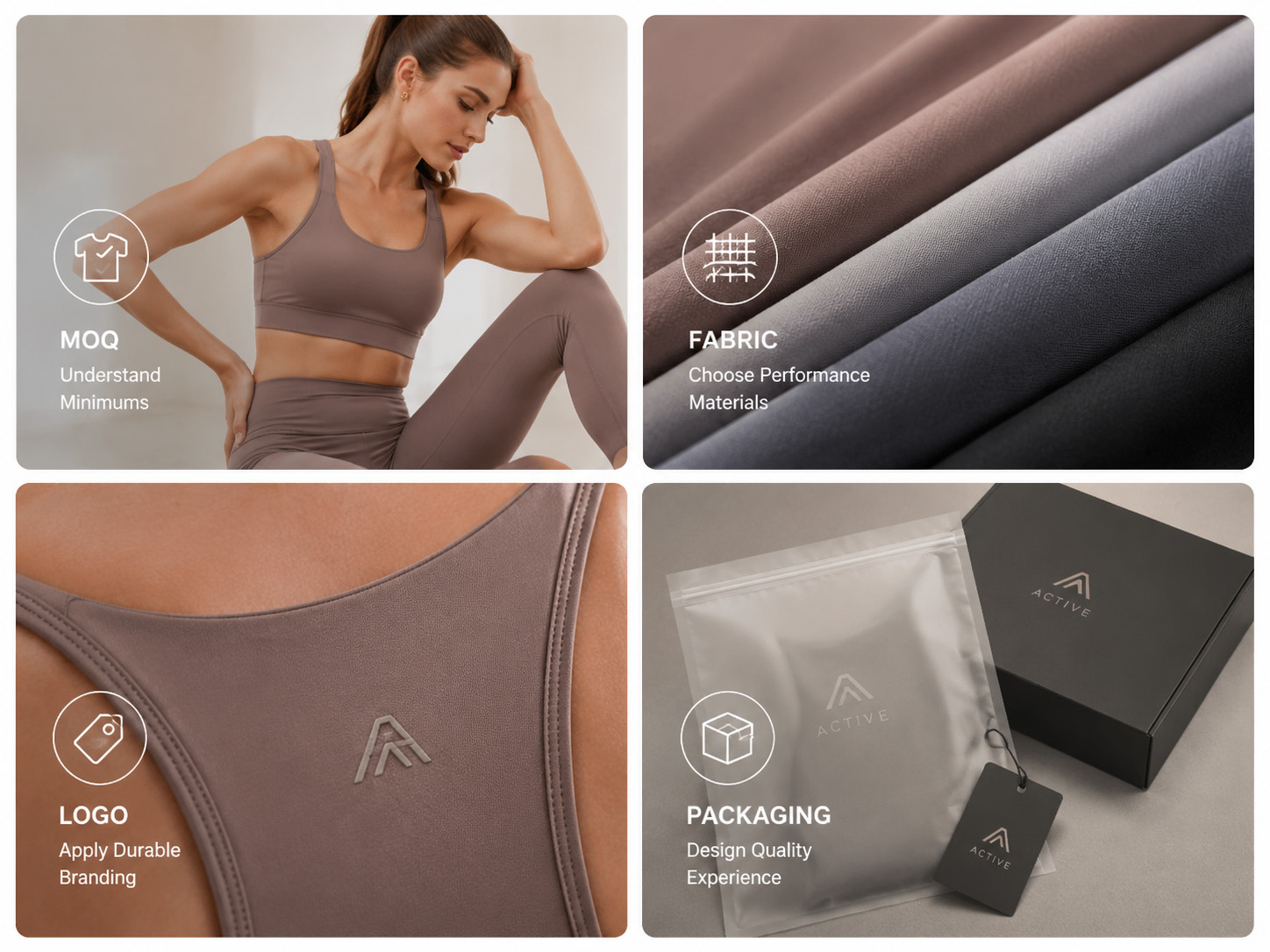
When you are developing a new collection with a custom activewear manufacturer, every detail counts—especially your logo. It’s the visual signature of your brand. However, choosing the right application method is not just about aesthetics; it is about functionality.
The two most common methods we discuss with our clients are Heat Transfer and Embroidery. While both have their place in fashion, they perform very differently on technical fabrics.
As a specialized yoga wear factory, we have seen firsthand how the wrong logo choice can ruin a perfect pair of leggings. In this guide, we compare these two techniques based on cost, durability, and fabric compatibility to help you make the right decision for your next order.
1. Heat Transfer: The Performance Champion
Heat transfer (specifically Silicone or Digital Transfer) involves printing the design onto a carrier and bonding it to the fabric using heat and pressure. This is the industry standard for high-performance gear.
Why choose it?
-
Elasticity is Key: Premium yoga fabrics (like our Nulu series) are designed to stretch 4-ways. High-quality silicone heat transfers stretch with the garment. If you put a static logo on a dynamic fabric, it will crack or restrict the wearer's movement.
-
Weightless Feel: For a custom sports bra supplier, comfort is priority #1. Heat transfers sit flat on the surface. They don’t add weight, and more importantly, they don't have a rough backing that scratches the skin during high-intensity workouts.
Cost Insight:
Heat transfer is generally more cost-effective for designs with multiple colors or gradients, as there are no "stitch count" costs.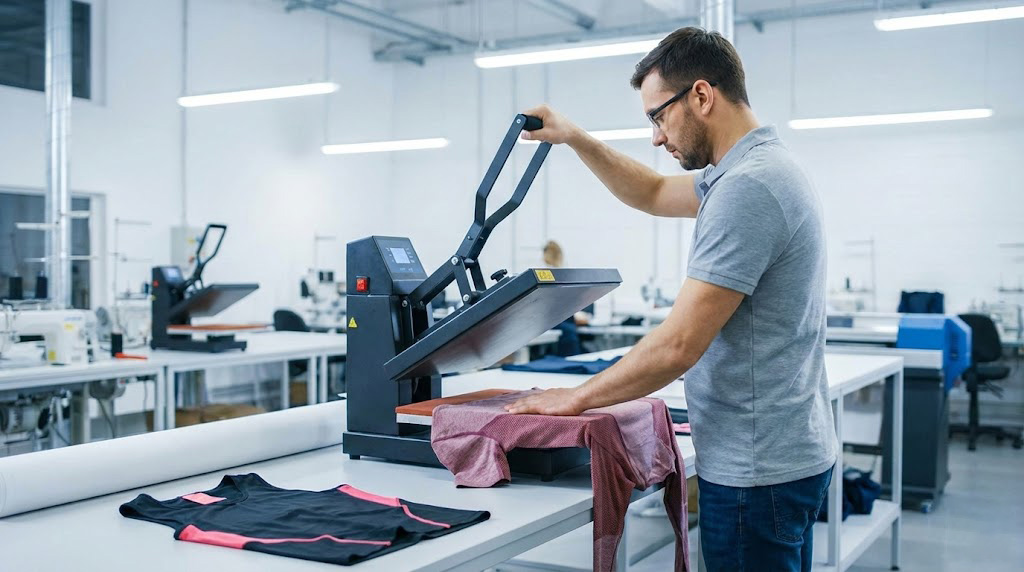
2. Embroidery: The "Heavyweight" Option
Embroidery is the art of stitching thread directly into the fabric. It conveys a sense of traditional luxury and durability, but it has significant limitations in the activewear space.
The Limitation:
-
The "Stiffness" Problem: Thread does not stretch. If you embroider a large logo on the thigh of high-compression leggings, it creates a stiff patch. This fights against the fabric's elasticity and can cause the fabric to pucker around the logo.
-
Fabric Integrity: In OEM yoga clothes production, we use lightweight, high-gauge fabrics. Thousands of needle punctures from embroidery can weaken these delicate fabrics, leading to potential tears over time.
When to use it:
Embroidery is excellent for non-performance items in your collection, such as cotton hoodies, joggers, or gym bags, where stretch is not required.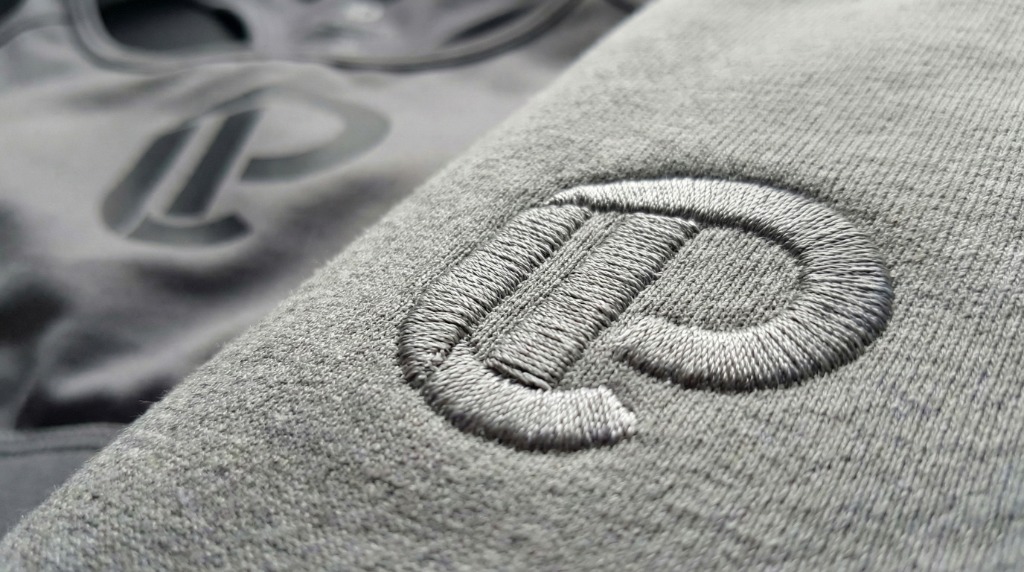
3. Quick Comparison for Decision Makers
If you are comparing different sportswear manufacturing companies, here is a cheat sheet to help you specify your requirements:
| Feature | Heat Transfer (Silicone/Vinyl) | Embroidery |
| Best For | Leggings, Sports Bras, Rash Guards | Hoodies, Caps, Joggers, Accessories |
| Stretch Ability | Excellent (Moves with body) | Zero (Static) |
| Skin Sensation | Smooth / "Naked" feel | Can be scratchy inside |
| Durability | High (50+ washes if quality is good) | Extremely High (Permanent) |
| Visual Style | Modern, Sleek, Detailed | Classic, Textured, Heavy |
Our Expert Verdict
For modern private label sportswear brands focusing on yoga and pilates, Heat Transfer is the clear winner.
It preserves the technical properties of the fabric and ensures the "second-skin" experience your customers expect. We recommend saving embroidery for your lifestyle/loungewear lines to create a premium contrast.
Contact Us
Still not sure which finish is right for your design? Send us your logo file, and our design team will provide a digital mockup and professional advice.
-
Website: www.secondpagesport.com
-
Email: info@secondpagetech.com
-
WhatsApp: +86 18156063146